
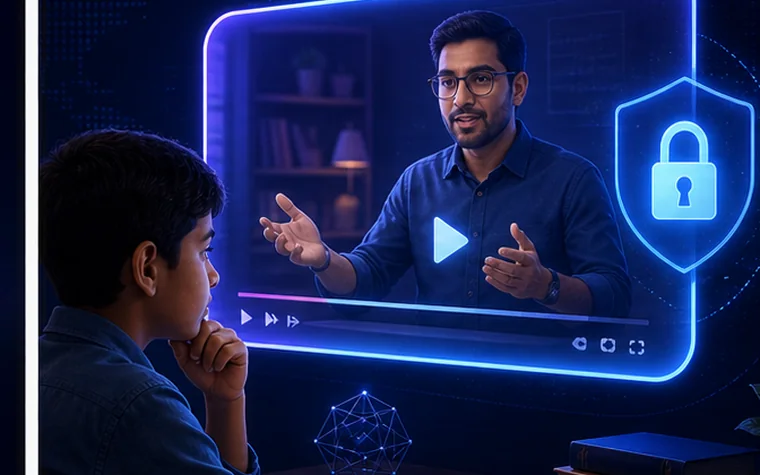
Content security has become a real concern for creators, particularly in education, corporate training, and premium media. As demand for online video grows, so does the need to protect valuable intellectual property from unauthorised access and redistribution. RioPlay is built around video encryption, so recordings stay accessible only to the people who are supposed to see them.
What video encryption actually is
Encryption encodes video so it can only be viewed by users holding the right decryption key. The original file is converted into a format that is unreadable without those credentials — so even if someone obtains the file, they cannot watch it.
256-bit AES is the standard used for this. It is a symmetric algorithm, efficient enough for video delivery and strong enough to be the accepted choice for protecting sensitive data.
Why it matters for content creators
Protecting intellectual property: For educators, trainers, and businesses, video content is often the most valuable asset in the business. Encryption keeps control of that material with the person who made it.
Protecting revenue: Unauthorised sharing is lost income. Controlling access at the platform level protects the revenue stream that funds the next course.
How RioPlay handles it
Encryption throughout: Content is encrypted at upload and stays protected through storage and playback, whether it is a live seminar or an on-demand course.
Nothing to configure: Encryption is part of the platform rather than a feature to switch on, so securing a video requires no technical knowledge from the educator.
Access control: Permissions and authentication decide who can open a course. Access is bound to enrolled users rather than to a link that can be forwarded.
Where this is used
Education: Protecting online courses so only enrolled students can reach the material, which is what prevents informal redistribution.
Corporate training: Proprietary training material restricted to authorised employees, keeping internal knowledge internal.
Conclusion
Content security matters more each year. Encryption, secure storage, and controlled access together are what let an educator, trainer, or media producer put work online without giving it away.